
Choosing Comfortable Earrings for Sensitive Ears
Why Sensitive Ears React in the First Place
If your earlobes itch, redden, or feel hot and tender a day or two after putting in a new pair of earrings, you are in excellent company. Nickel is the most common metal allergen in the UK, and it hides in far more places than most people expect — from budget costume pieces to the alloys tucked inside white gold. Reactions are rarely instant. Contact dermatitis usually appears twelve to forty-eight hours after you put the earrings in, which is exactly why it can take months to work out which pair is the culprit.
Watch for itching, flaking skin, a warm or weeping patch, crusting around the piercing, or a dull ache that builds through the afternoon. Heat, sweat, perfume, and hair products all make things worse, because they help metal ions dissolve and reach the skin. Once an earlobe has reacted, it stays sensitised, so a metal that caused no trouble two years ago may sting now. That is not you being fussy; it is your immune system keeping notes.
Metals That Are Kind to Sensitive Skin
The safest starting point is to know what sits against your skin, not just what you can see. Plating disguises the base metal, and the base metal is usually what causes the trouble.
- Titanium — implant-grade titanium is lightweight, strong, and essentially nickel-free. It is the first choice for very reactive ears.
- Niobium — naturally nickel-free and often used for colourful anodised hoops and sleeper styles.
- Sterling silver — 925 silver contains no nickel, though a small number of people react to the copper in the alloy or to tarnish. Keep it polished and dry.
- Yellow gold — 18ct yellow gold is alloyed with copper and zinc rather than nickel, so most sensitive wearers tolerate it well. White gold is the tricky one: it usually contains nickel and is rhodium-plated, and once the plating wears thin, the reaction begins.
- Gold-filled — a thick, bonded layer of gold over brass. Brass is copper and zinc, so nickel exposure is minimal, and it outlasts plating by years.
- Platinum — naturally nickel-free, dense, and beautifully inert, though heavier and pricier.
Treat the word "hypoallergenic" with polite scepticism. It is a marketing term rather than a regulated standard, and it tells you nothing about the alloy underneath. When shopping, ask what the base metal is and how thick the plating is.
Post Shape, Length, and Backs Matter More Than You Think
A rough post is a surprisingly common cause of soreness. Look for seamless, mirror-smooth ends without burrs, and check that the post is properly polished rather than cut and left raw. Standard post thickness is around 0.8 mm; a slightly thicker, rounded post spreads pressure more evenly than a hair-thin one, which can feel sharp against the piercing channel. Length matters too — a post that is too short pinches the lobe, while one that is too long catches on hair and scarves and drags the piercing about.
Backs deserve the same scrutiny. Older butterfly backs can contain nickel, and their spring mechanisms trap soap and skin cells. Silicone, rubber-coated, bullet, and flat disc backs are gentler and easier to clean. If you love a pair whose posts irritate you, plastic or silicone post sleeves are a cheap and effective barrier.
Keep It Light for All-Day Comfort
Weight is the quiet troublemaker. Anything much over five grams per earring starts to pull on the lobe, and prolonged dragging can stretch the piercing and leave it tender even after the earrings come out. For everyday wear, favour designs that look substantial but weigh very little.
- Thin-gauge wire hoops and small huggies that hug the lobe rather than swing from it.
- Hollow or tubular hoops, which give presence without mass.
- Short threader styles that sit close to the ear.
- Wood, resin, ceramic, glass, and polymer clay, all naturally light and often nickel-free.
- Small silicone discs behind the lobe to redistribute the weight of a slightly heavier pair.
Save the dramatic statement drops for evenings and events, and give your ears a break the following day.
Small Habits That Protect Your Ears
Good aftercare does half the work. Clean posts weekly with mild soap and warm water, dry them thoroughly, and wipe them again after wearing. Remove earrings before showering, swimming, or sleeping — chlorinated pools and sea water are both hard on piercings and on metal. Let a new piercing heal fully before experimenting: roughly six to eight weeks for lobes, and up to a year for cartilage.
Apply perfume, hairspray, and moisturiser first, then put your earrings in, so the products settle before metal touches skin. Avoid twisting or over-cleaning a healing piercing. When a lobe feels irritated, give it a few days without earrings, keep the area clean and dry, and let it settle before trying a different metal.
Styling Mindfully, Comfortably, and With Intention
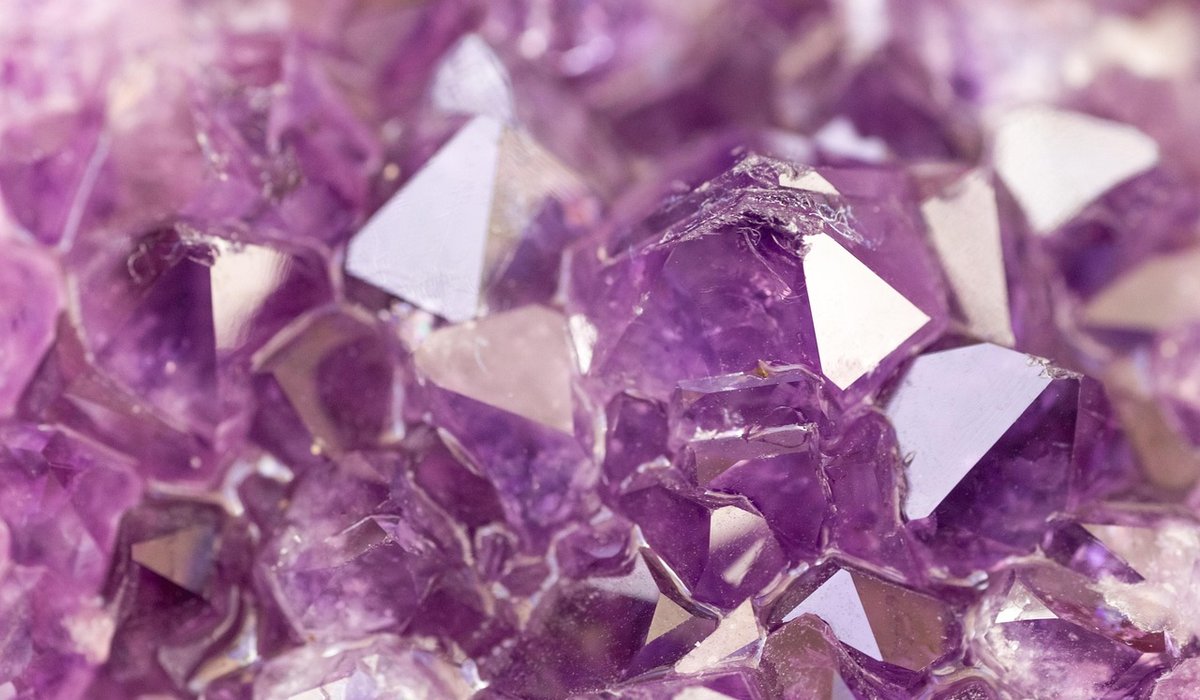
Comfort and polish are not opposites. Building a small capsule of six or so pairs in metals you know you tolerate — a pair of fine gold huggies, plain titanium studs, a silver hoop, one light resin drop — gives you more outfits than a drawer full of questionable bargains. Mix textures and finishes rather than metals you react to, and let colour do the talking: amethyst and rose quartz bring softness, while clear quartz and moonstone keep things fresh and neutral.
There is something quietly lovely about choosing jewellery with attention. Settling on a pair of crystals, holding an intention for the day, and knowing the metal against your skin is safe turns getting dressed into a small ritual rather than a risk. The most beautiful earrings are the ones you forget you are wearing — because nothing itches, nothing drags, and nothing pulls your attention away from the day ahead.


Pair deep garnet, smoky quartz, and amber tones with knitwear, tailoring, and leather accessories for a cohesive cold-weather look.
Learn temporary measures and warning signs that mean a ring or pendant should be seen by a qualified repairer.
Explore how brushed, satin, and darkened finishes change the look of silver jewellery and suit different personal styles.
Plan a relaxed gathering where guests trade duplicate stones, share display ideas, and learn about new crystals together.